
MEGATRENDS
MEGATRENDS
Follow the MEGATRENDS
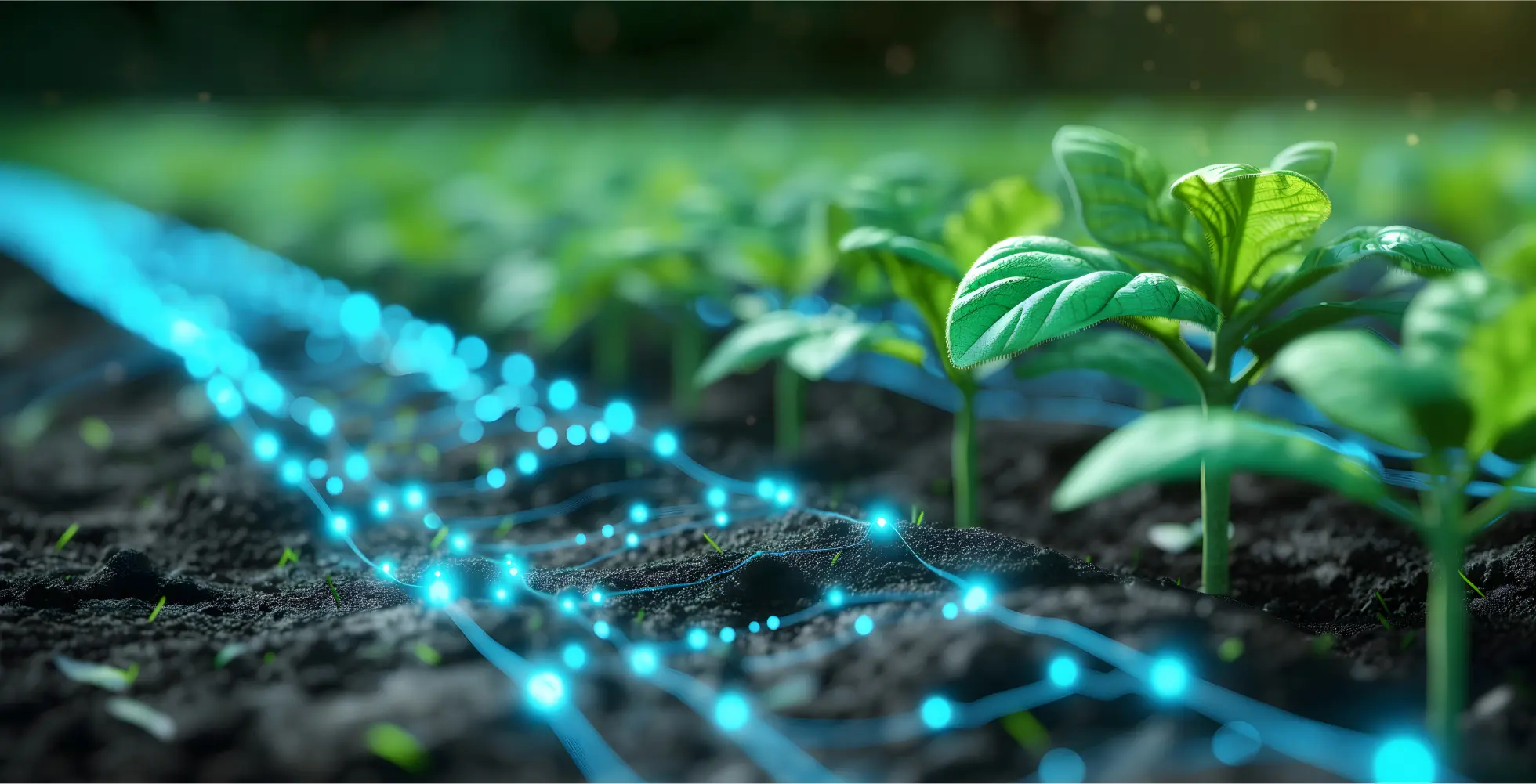
The Wacker Group’s business aligns with medium- to long-term megatrends such as digitalization, renewable energy, electromobility, and energy efficiency. Today, technologies like IoT—where everything is connected to the internet—and AI (artificial intelligence) are becoming widespread. These advancements not only make our lives safer and more comfortable but also help reduce the burden on the global environment.
However, the climate is changing rapidly, and extreme weather events are occurring worldwide. Reducing greenhouse gas emissions is an urgent challenge for the sake of future generations. Increasing renewable energy production and promoting electromobility are key to solving these issues. At the same time, it is not just about increasing resources but also reducing consumption—energy efficiency is critically important. As economic growth continues, shortages of metals and natural resources are expected, making a rapid transition to a circular economy essential. This means reusing resources instead of consuming new ones, and utilizing recycled or regenerated products.
In the coming years, the global population will continue to grow, with the elderly demographic increasing at the fastest rate.
Healthcare and well-being will become indispensable aspects of our lives.
These factors are among the key drivers of our business, supporting today’s lifestyles and helping create a prosperous future. On this page, we introduce examples of silicone applications and products that address these megatrends.
Renewable Energy
Material of the Future
Corrosion resistant, durable and consistent over the long term: silicone rubber for encapsulating stator slot exits in offshore wind turbines provides outstanding protection – even when exposed to harsh, saltwater conditions – while also serving as electrical insulation.
Examples of sustainable solutions
- ELASTOSIL® RT 563

Reducing Material Consumption
Multi-use vacuum bags increase efficiency in the production of wind turbine components from fiber composites, reducing manufacturing waste while increasing productivity.
Examples of sustainable solutions
- ELASTOSIL® 1200 A/B
- ELASTOSIL® 1500 A/B
The Trend toward Solar Power
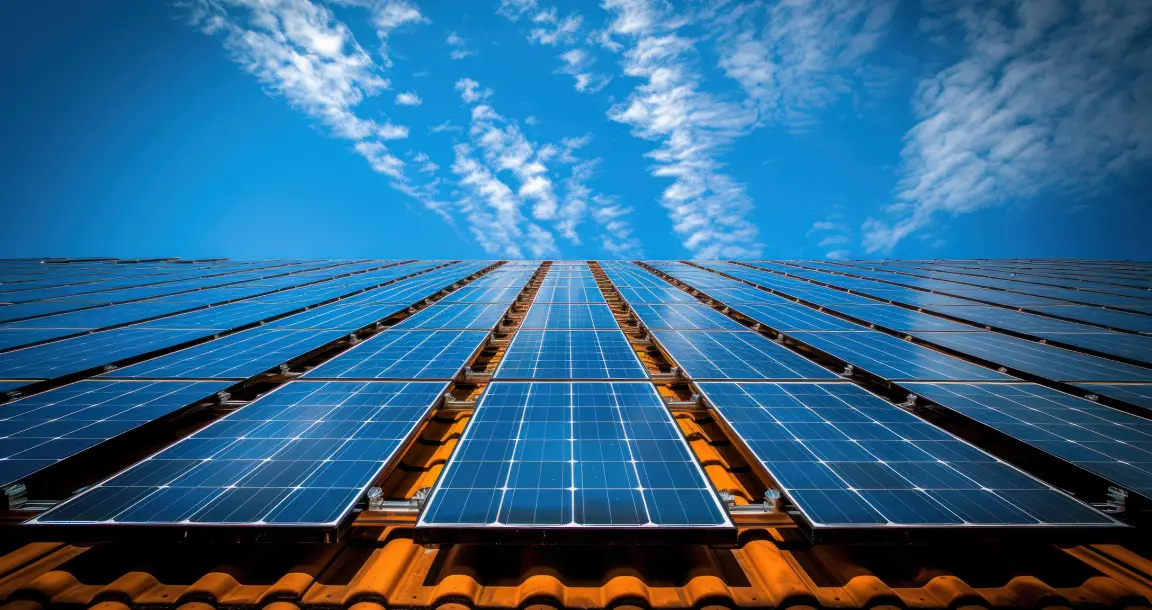
The market for solar panels is growing, as they do more than just reduce CO2 emissions – they save money too. Effective protection from poor weather conditions and UV radiation significantly increases their service life.
Examples of sustainable solutions
- ELASTOSIL® SOLAR 3210 A/B
- ELASTOSIL® 2205
- ELASTOSIL® 2200 A/B
The Power of Water
Hydropower generators are essential for the production of renewable energy. WACKER silicone elastomers protect them from vibrations, hold semi-conducting wrapping tapes in place, provide electrical insulation and optimize thermal management.
Examples of sustainable solutions
- ELASTOSIL® RT 628 A/B

Smart building
Conserving Resources
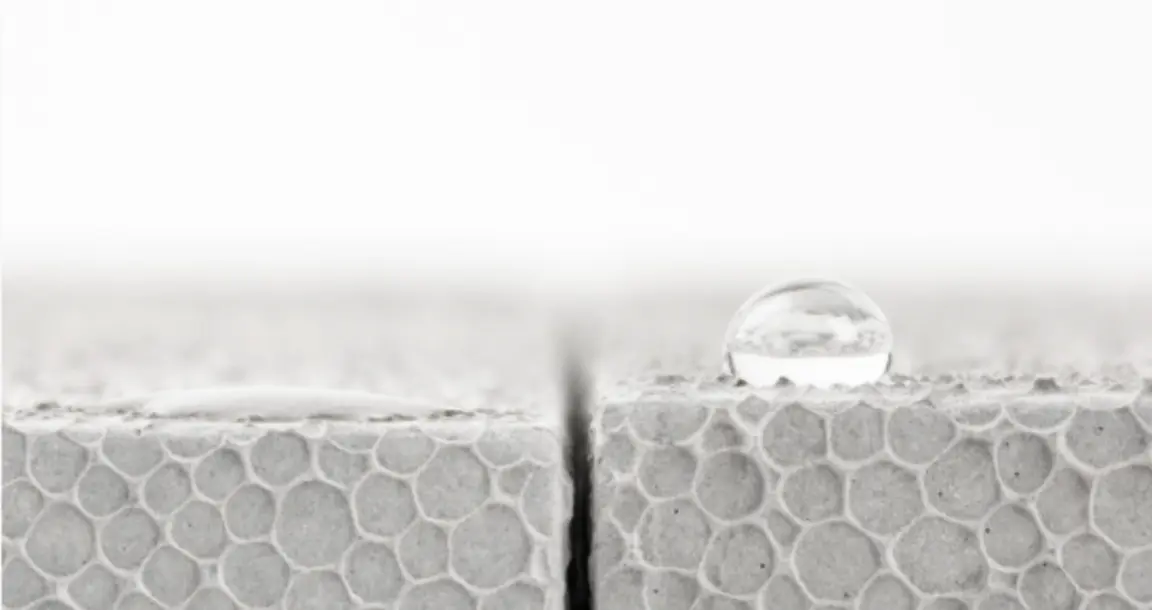
While concrete and screed floors are becoming more and more popular, their open-pored structure leaves them very susceptible to dirt. Efficiently preventing stains while allowing water-vapor permeability results in long-lasting floors, saving time and materials.
Examples of sustainable solutions
- SILRES® BS 6920
Long-Lasting Exteriors
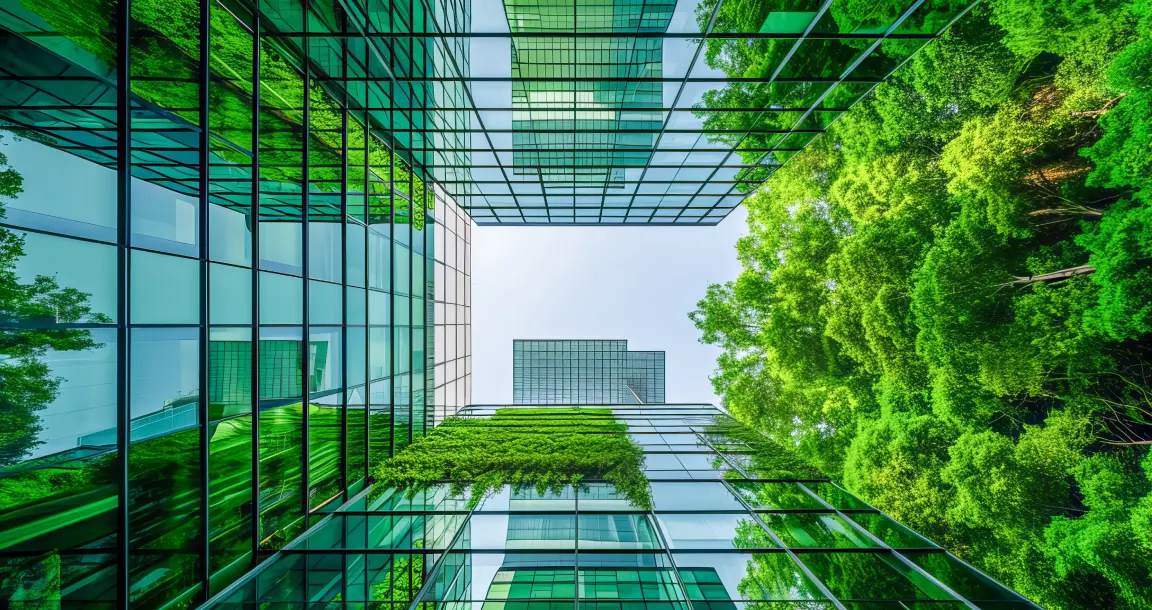
A longer service life without the expensive, time-consuming maintenance and renovation work – WACKER products make exteriors last a long time and improves their energy balance. These facades are also resistant to heat, cold, moisture, UV radiation and dirt.
Examples of sustainable solutions
- SILRES® BS 1306
High-Performance Adhesives with Excellent Properties
Silyl-Modified Polymers (SMP) deliver exceptional adhesion, effortless application, and outstanding formulation flexibility—helping extend building lifespans and boost energy efficiency.
Examples of sustainable solutions
Silicone sealants, adhesives for flooring, etc.
- STP-E30/STP-E35
Sustainable Sealants
One of the key starting materials for our silicone sealants is methanol. Because sustainability is becoming an ever more important factor in construction materials, we make sealants from plant-based biomethanol based exclusively on certified biomass rather than on fossil raw materials.
Examples of sustainable solutions
Silicone rubber for a wide range of fields, including food applications, baby care, and healthcare.
- ELASTOSIL® eco R 401/40 S (Peroxide-curing millable silicone)
- ELASTOSIL® eco R plus 4020 (Addition-curing millable silicone)
- ELASTOSIL® eco LR 5040/20-70 (Liquid silicone)
Electromobility
Innovative silicone products from WACKER allow automakers to design more efficient motors and extraordinarily reliable components.
As a partner to the automotive industry, WACKER is doing its part to shape the future of mobility and helping achieve breakthroughs in alternative drive technologies.
Examples of sustainable solutions
- SEMICOSIL® 96xx TC

Fuel Cells
Reliable protection from the elements is crucial for many of the components of vehicles with alternative drives. The requirements are high due to the extreme conditions, such as sudden temperature changes, vibrations or contact with oils and chemicals.
Examples of sustainable solutions
- ELASTOSIL® RT 624 “4S”
Long-Lasting Displays
The digital transformation of automobiles is an important factor in more sustainable mobility. Thanks to thermoelastic silicone adhesives, automobile displays can last a long time, even under extreme climatic conditions.
Examples of sustainable solutions
- LUMISIL® 1xx
- LUMISIL® 2xx
- LUMISIL® 3xx
- SEMICOSIL® 8xx

Energy conservation
Electro-Active Laminates: Convert Electrical Energy into Mechanical Work
Because lightweight silicone rubber can be deformed to generate power, it achieves significant energy savings compared to electromagnetic systems. These are silicone-based EAPs (Electro-Active Polymers) equipped with unlimited charging and recovery cycles.
Examples of sustainable solutions
・Dielectric elastomer artificial muscles (actuators and sensors)
・Wave power generation
・Sensors for smart clothing
・Separators for fuel cells
- NEXIPAL®

Defoamers
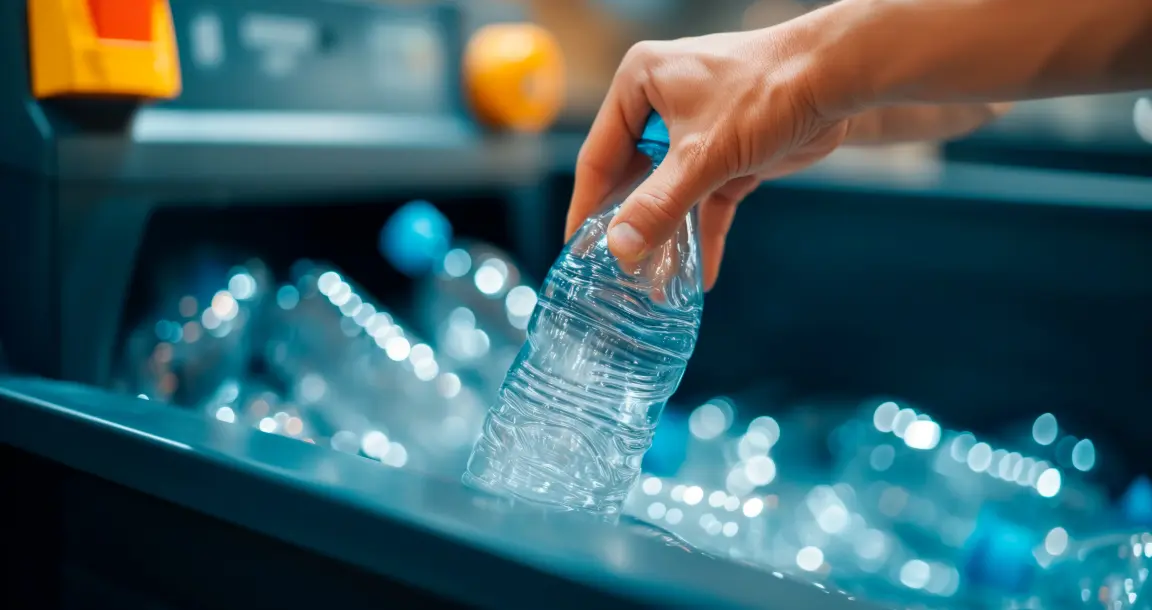
With outstanding defoaming properties, silicones efficiently remove foam during the washing process—one of the key steps in recycling PET bottles and other waste plastics. This improves cleaning efficiency, reduces water consumption, and contributes to resource conservation.
Examples of sustainable solutions
- FC 2901
Silicone Rubber Insulators
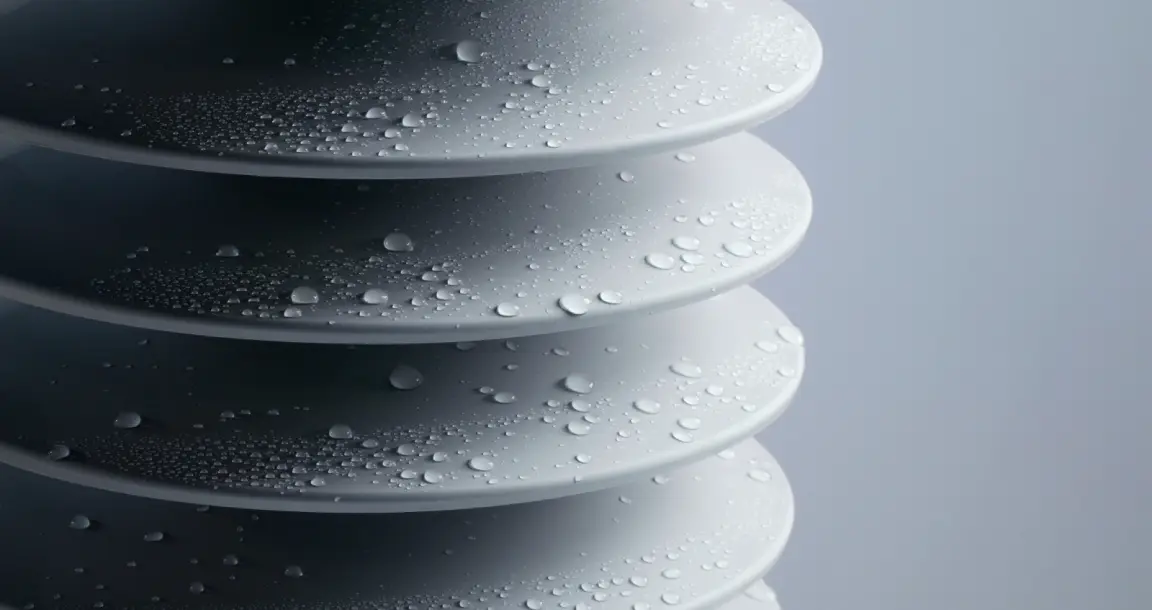
Thanks to its anti-fouling and weather-resistant properties, silicone reduces the use of water and cleaning agents while lowering maintenance requirements. In addition, compared to porcelain insulators, it achieves approximately 70% weight reduction.
Examples of sustainable solutions
- ELASTOSIL®XLR630
- POWERSIL®310
Low volatile LSR combining performance with excellent productivity for a sustainable industry
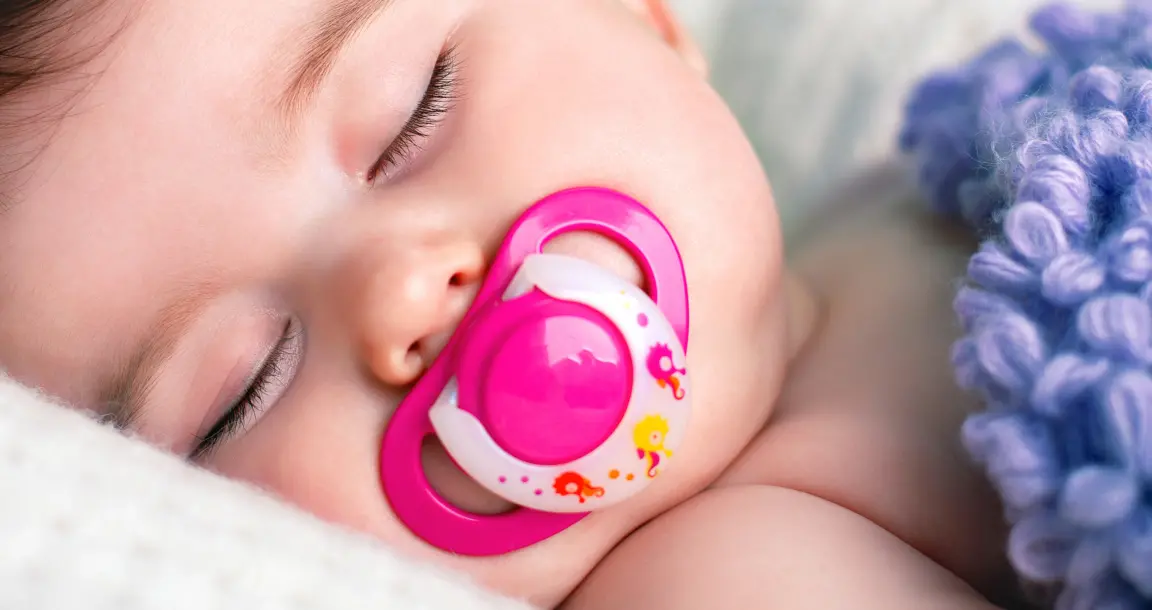
To be suitable for delicate applications such as medical and automotive use, low-volatility LSRs are required. These materials can reduce the energy and time consumed during post-curing, which allows for improved productivity.
Examples of sustainable solutions
・Connector seals
・Oxygen masks
・Electronic devices
・Healthcare products
・Baby bottle nipples
- LR 3329/30~60
- LR5040/30~70
Semiconductor
High-Tech Products
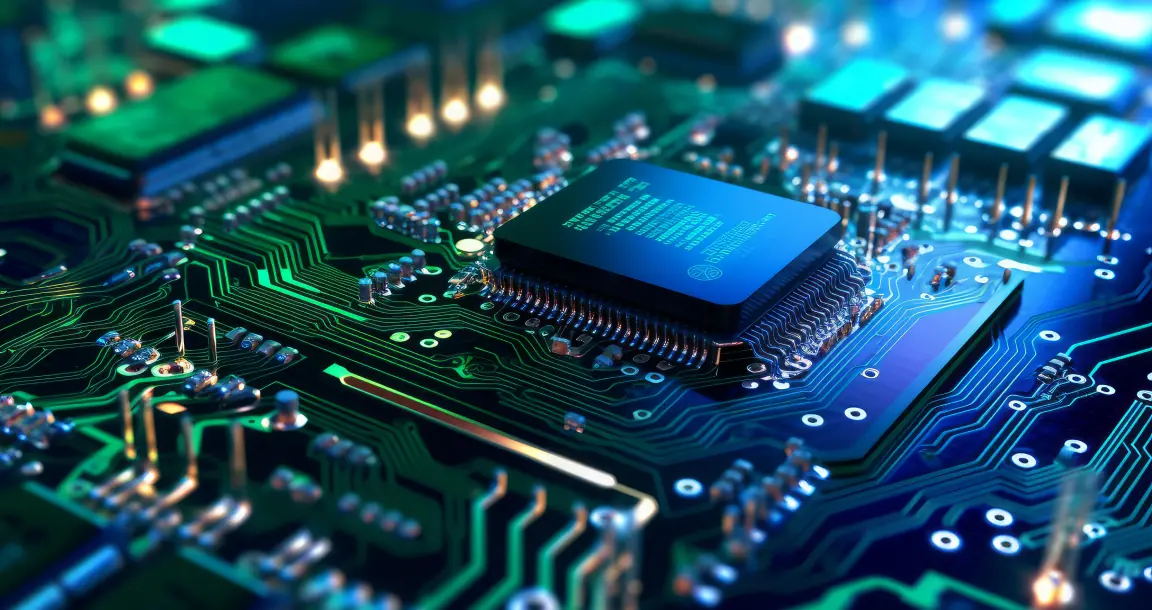
Most of the sustainable technologies on which our future depends would be impossible without semiconductor materials. Their exceptional purity and extremely low metal contamination make our products a crucial material for the semiconductor industry.
Examples of sustainable solutions
- HDK® I13 (Polishing agent)
- SEMICOSIL® HCl 5.5 (Etching agent)
- SEMICOSIL® TEOS 999 (Insulating film)
- SEMICOSIL® HMN EL (Insulating film)
- SEMICOSIL® 4MS-EL (Insulating film)
Health and Wellbeing
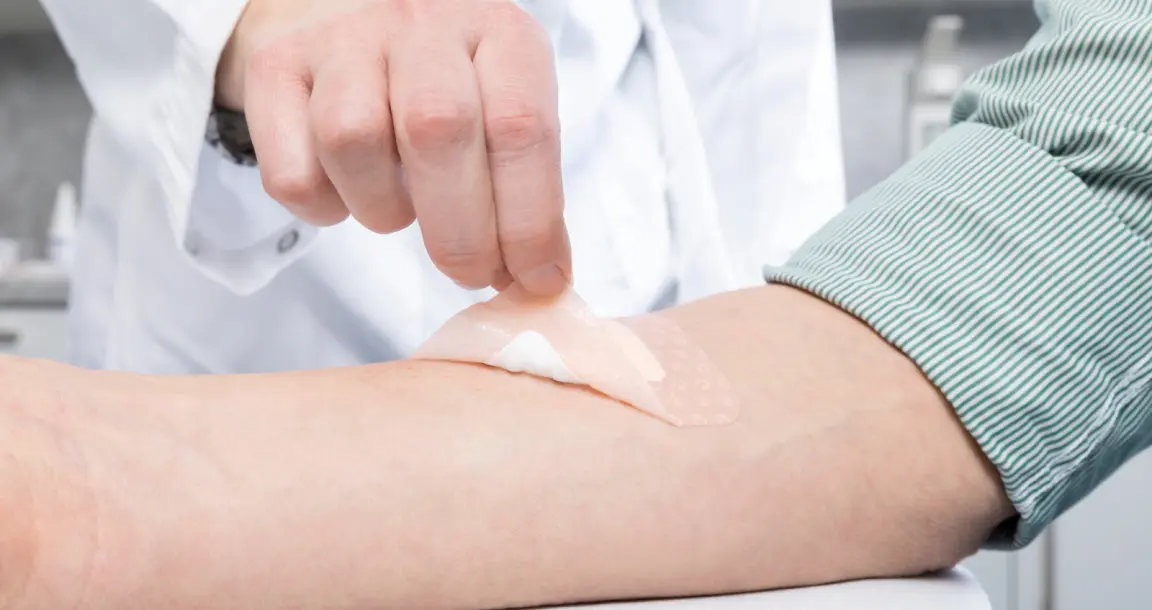
Wound Dressings That Promote Healing
Non-allergenic, breathable silicone adhesives can be worn longer than standard wound dressings.
Atraumatic removal improves compliance, which leads to faster healing and the use of fewer bandages.
Examples of sustainable solutions
- SILPURAN® 21xx
Organic Beauty
Interest in sustainability is growing rapidly, and this trend is extending to cosmetics as well.
The BELSIL® eco series replaces 100% of the petrochemical raw materials required for silicone production with sustainable biomass sources. Specifically, in the manufacturing process, a mass balance approach (certified by TÜV NORD Standard REDcert²) is applied, using renewable plant-based biomass such as straw and grasses as starting materials.
Examples of sustainable solutions
- BELSIL® eco DM 5
- BELSIL® eco DM 10
- BELSIL® eco DM 20
- BELSIL® eco DM 50
- BELSIL® eco DM 100
- BELSIL® eco DM 350
- BELSIL® eco DM 1000
- BELSIL® eco DM 60.000
- BELSIL® eco GB 1020
- BELSIL® eco DM 3096
- BELSIL® eco TMS 803
- BELSIL® eco REG 1102
- BELSIL® eco EG 3001