
We Love Silicone
We Love Silicone
We Love Silicone
Silicones are high-performance materials with outstanding properties, widely used across various industrial sectors to enrich and enhance our daily lives.
Their potential is even greater today, and thanks to their excellent adaptability to environmental requirements, their importance has grown significantly in the 21st century.
We Love Silicone!
Wacker AsahiKasei Silicone is a company that manufactures and sells silicone products. While the terms “silicone” and “silicon” often appear in many contexts, few people truly understand what these substances are and how they contribute to our lives. That’s why we want to start by explaining what silicone is and how it benefits us. By learning about silicone, we hope you’ll become a fan of this remarkable material.
What is silicone?
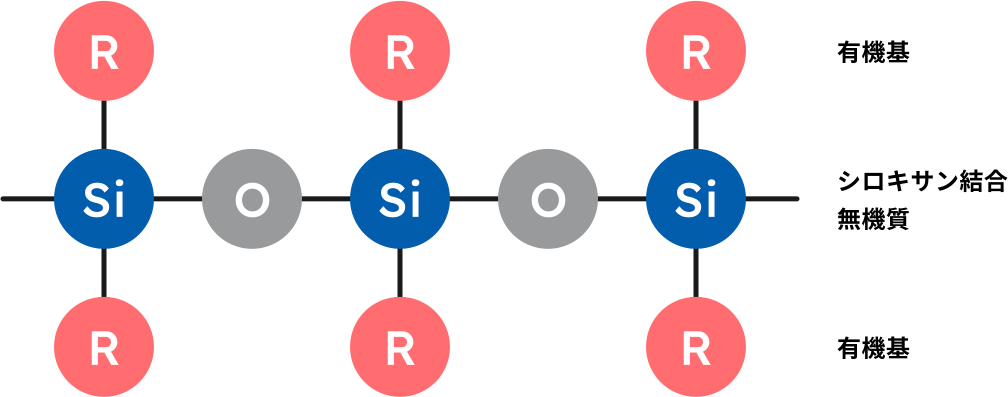
Silicone is a unique polymer compound consisting of an inorganic backbone of silicon and oxygen combined with organic groups, giving it the best properties of both inorganic and organic materials. Although often confused, silicon and silicone are completely different. Silicon refers to the element used in semiconductors and solar cells, whereas silicone is a family of polymer compounds based on silicon and oxygen. In English, “silicon” is spelled SILICON, while “silicone” adds an E at the end.
Silicones are widely used as high-performance raw materials in countless applications that support our daily lives. They continue to evolve in response to market and technology trends. With growing global attention to environmental issues, energy efficiency, and safety, silicones are increasingly valued as materials that contribute to sustainability. Going forward, silicones will keep evolving to meet the needs of the times and expand their role in diverse applications.
-
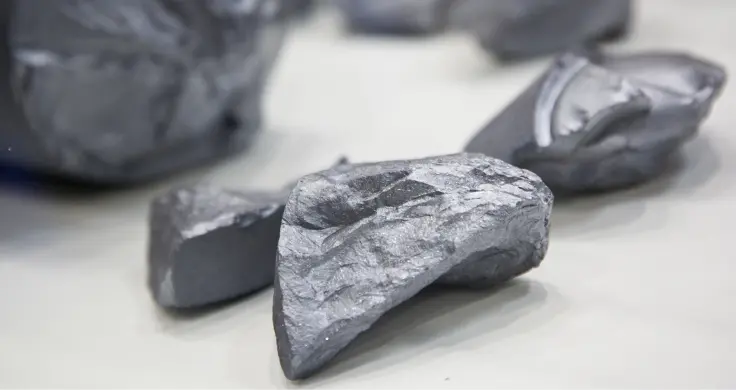
Silicon (Metallic Silicon) -
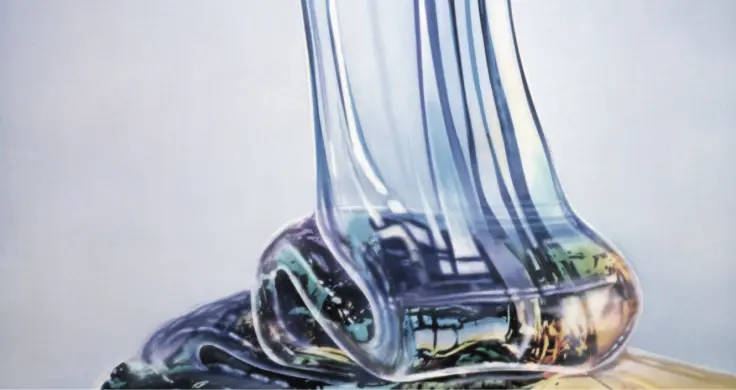
Silicone Polymers (Silicone Oils) -
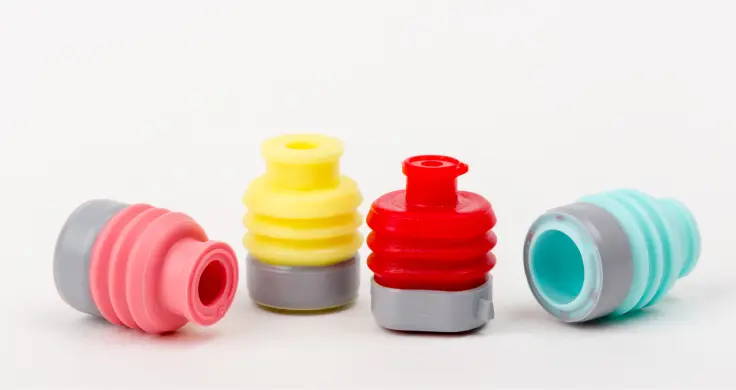
Silicone Polymers (Silicone Rubber)
Chemical Structure of Silicone
Silicone Market Trends
Silicone was first developed in the 1930s with the invention of transparent silicone resins and was industrialized in the 1940s. Since then, a wide range of silicone products have been widely used as high-performance raw materials in various applications.
Silicones have continued to evolve in response to changing market and technology trends. In recent years, they have attracted growing attention as materials that contribute to environmental protection and sustainability. Global demand for silicones remains strong, and the silicone market has been expanding at a pace that exceeds the GDP growth rate of many countries.
In Japan, new applications requiring advanced silicones—such as automotive and LED-related uses—are experiencing significant growth.
Applications
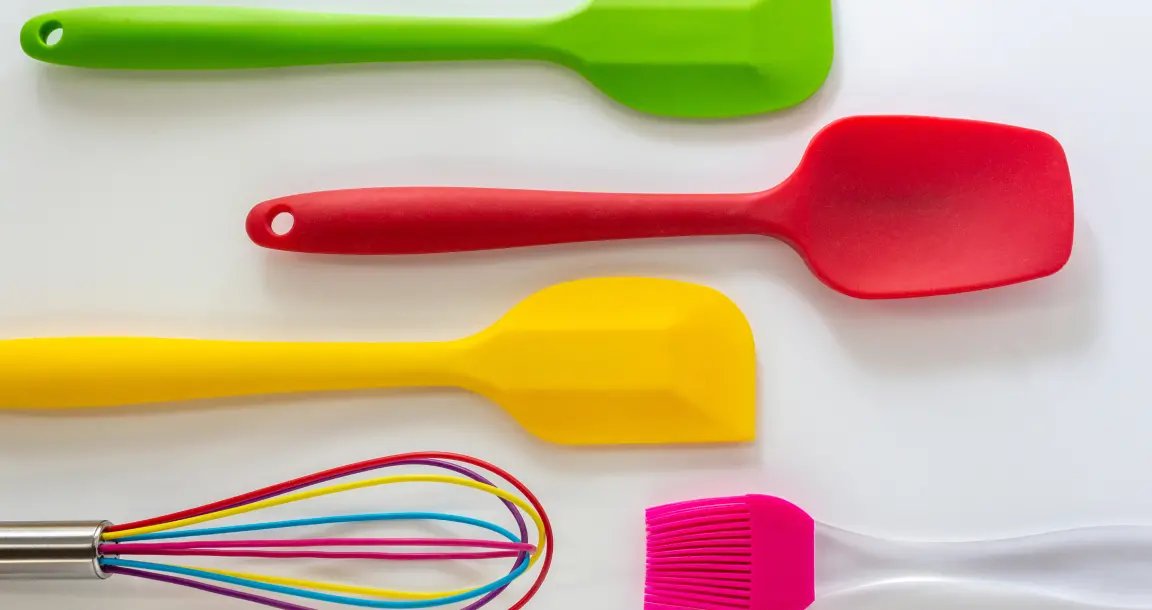
Silicones offer a wide range of exceptional properties, including heat resistance, cold resistance, electrical insulation, flame retardancy, chemical stability, water repellency, and anti-foaming capability. Leveraging these advantages, silicones are used in countless applications that support and enhance our daily lives.
They play a vital role across diverse industries such as automotive, electronics, construction, cosmetics, and healthcare, delivering performance and reliability where it matters most.
Automotive Applications

From a sustainability perspective, the rapid global adoption of electric vehicles (EVs) is expected as a worldwide trend. However, for EVs to become widespread, further improvements in onboard batteries are necessary. Battery manufacturers are working on developing batteries that are highly energy-dense, compact, lightweight, and low-cost. In such batteries, heat control is extremely important. In addition, there is a growing need for thermal management in power control units, converters, and electric motors. For these applications, thermally conductive silicone materials significantly contribute to lowering operating temperatures, extending the lifespan of batteries and other automotive electronic components, and improving performance.
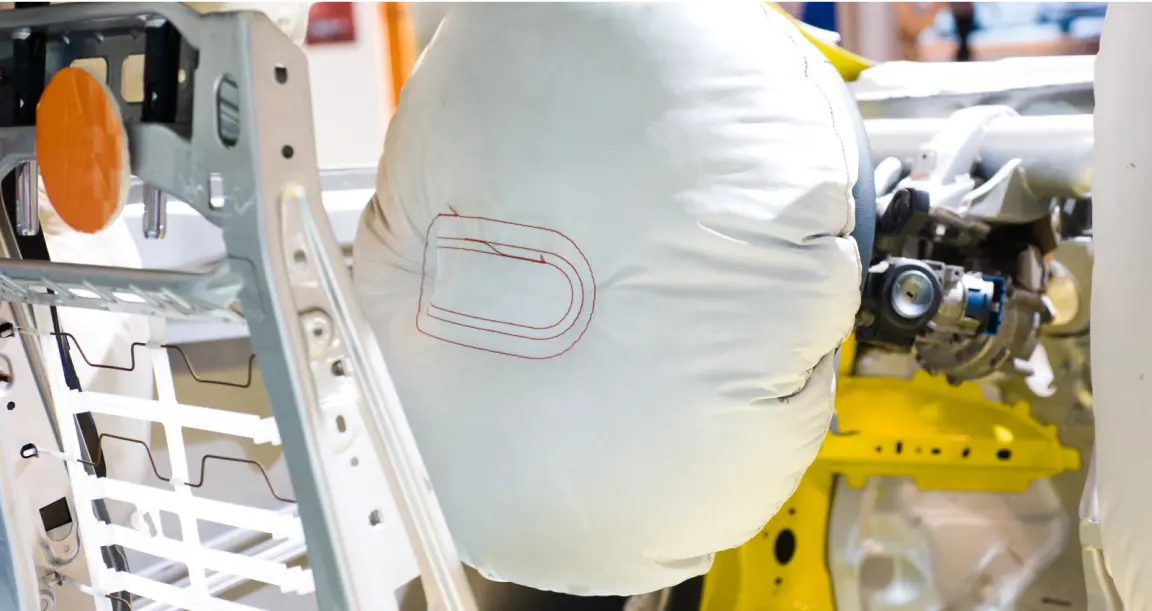
To ensure collision safety, the installation of airbags has been advancing, and not only front airbags but also curtain airbags for side impacts and pedestrian protection airbags are being adopted. The number of airbags installed in a single vehicle is increasing year by year.
Silicone is used in airbag coatings, protecting the airbag fabric from the high-temperature, high-pressure gas that is instantly generated during a collision and assisting in the deployment performance of the airbag.
Electrical and Electronics Applications
Silicone is widely used in LED lighting as an encapsulant, sealant, and thermal interface material thanks to its excellent properties such as high transparency, thermal stability, light stability, and resistance to sulfur corrosion, contributing to energy savings through the spread of LED technology.
In addition, silicone offers outstanding heat and light resistance, with minimal changes in color or quality caused by light or heat. Its long-term transparency and durability make it widely used for bonding applications in smartphones and automotive displays, contributing to a more comfortable lifestyle.

Construction and Civil Engineering Applications
In the field of construction and civil engineering, energy efficiency in buildings is attracting attention. In Japan, an energy-saving policy goal has been set to achieve “Net Zero Energy Buildings” on average for new constructions by 2030. To help realize this goal, multi-layer glass using silicone sealants with high durability and weather resistance is being employed.
By using such construction methods, heat transfer between the interior and exterior of buildings can be reduced, making it possible to lower energy consumption for air conditioning during summer and winter.
Furthermore, construction techniques utilizing silicone make it possible to create beautifully designed buildings with full glass façades, contributing to the improvement of urban aesthetics.

Cosmetics and Toiletries Applications
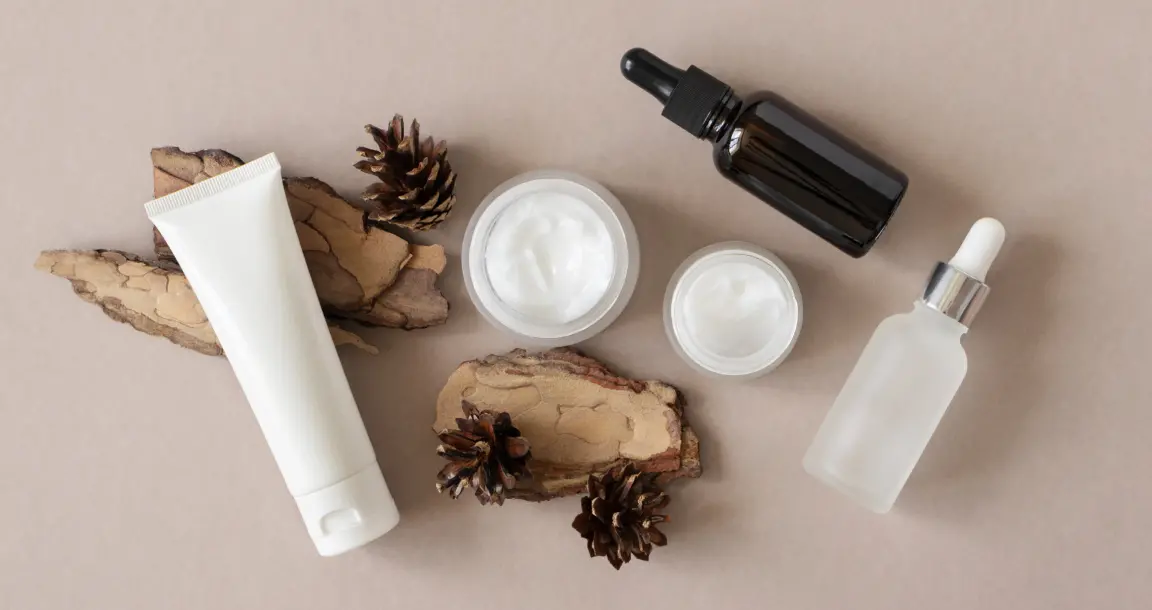
Silicone is an excellent material with superior safety, water repellency, durability, and gloss, and in addition, it has a pleasant feel—smooth and non-sticky.
In Japan, aging is one of the major megatrends. With longer healthy lifespans and extended periods of social activity, demand for cosmetics that help maintain a youthful and healthy appearance is increasing. High-performance silicones make it possible to preserve and enhance the effectiveness of cosmetic products.
There are also silicones that contribute to improving the resilience and texture of hair, which tend to diminish with aging, broadly meeting the needs of an aging society.

Silicone is used in almost every industrial sector and is closely connected to our daily lives.
On a personal note, I have been involved in the silicone industry for 36 years. Silicone is a fascinating material with applications ranging from everyday products to aerospace. I am confident that it will continue to hold great potential in the future.
By understanding silicone correctly and using it appropriately, I hope to contribute to creating a richer and more comfortable life.